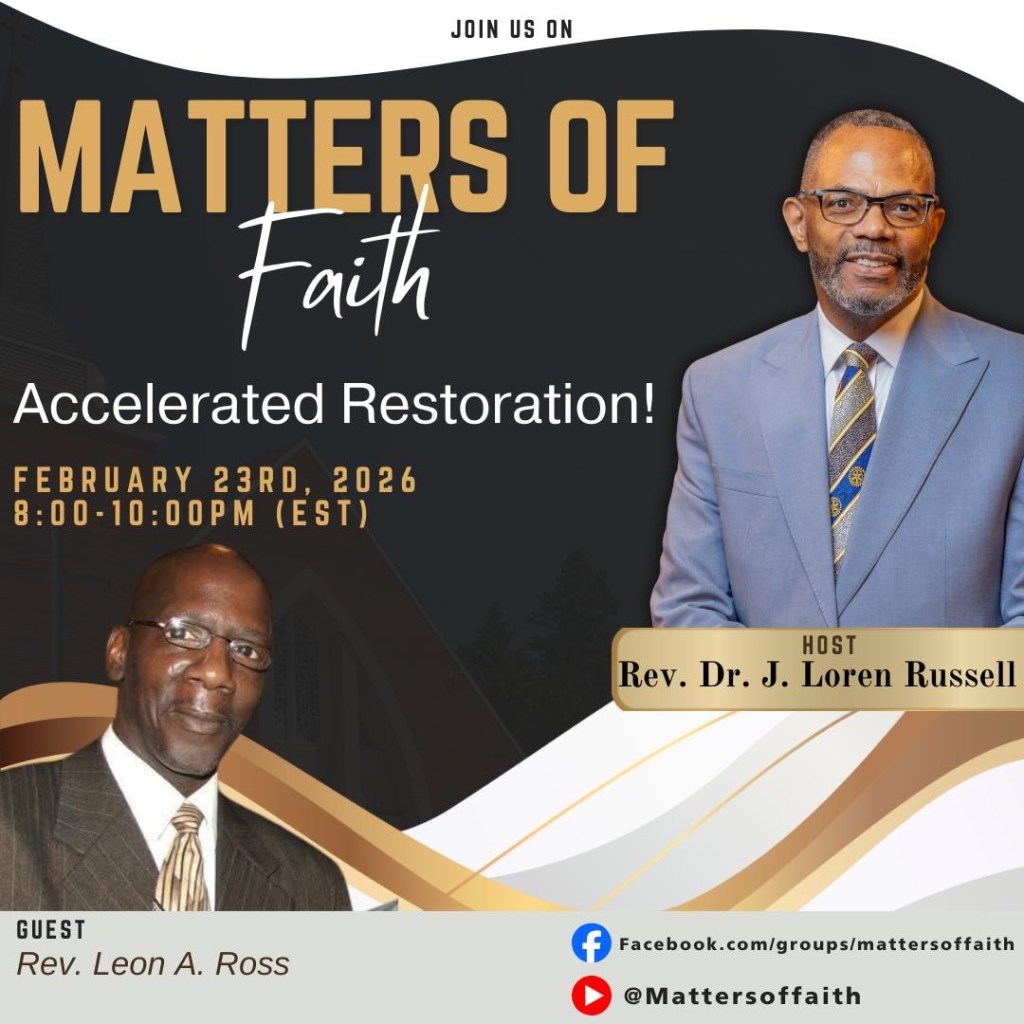
https://www.facebook.com/share/v/1AmCqjTTVV/?mibextid=wwXIfr
-
Reverend J. Loren Russell
1 John 1:8-10 NKJV
“If we say that we have no sin, we deceive ourselves, and the truth is not in us. If we confess our sins, He is faithful and just to forgive us our sins and to cleanse us from all unrighteousness. If we say that we have not sinned, we make Him a liar, and His word is not in us.”Most of us know what it feels like to take the trash out of the house. We gather it up, tie the bag, and place it outside so that someone else can carry it away. Once the garbage truck comes, we expect that trash to be gone.
But sometimes in life, the trash of our past doesn’t seem to leave so easily.
Regret, guilt, shame, and memories of poor decisions can linger in our hearts like garbage that never gets picked up. The enemy loves to remind us of what we used to be, what we used to do, and where we once fell short.
Yet God’s Word gives us correct knowledge about sin and forgiveness.
First, the Scripture reminds us that everyone has sinned. The apostle Paul writes in Epistle to the Romans 3:23 that all have sinned and fallen short of the glory of God. None of us are exempt from the human condition of brokenness.
But the good news is that God does not leave us trapped under the weight of our past.
When we confess our sins to Him, God promises two powerful things:
- Forgiveness — He releases us from the guilt of sin.
- Cleansing — He removes the stain and restores our hearts.
God does not merely cover up the trash of our past; He removes it completely. Through Jesus Christ, our past no longer defines us. Instead, we become new creations, just as Paul declares in Second Epistle to the Corinthians 5:17: “Old things have passed away; behold, all things have become new.”
That means the mistakes of yesterday do not determine the possibilities of tomorrow.
When God forgives, He does not leave the trash behind. He cleanses the heart, renews the spirit, and gives us the freedom to walk forward in His grace.
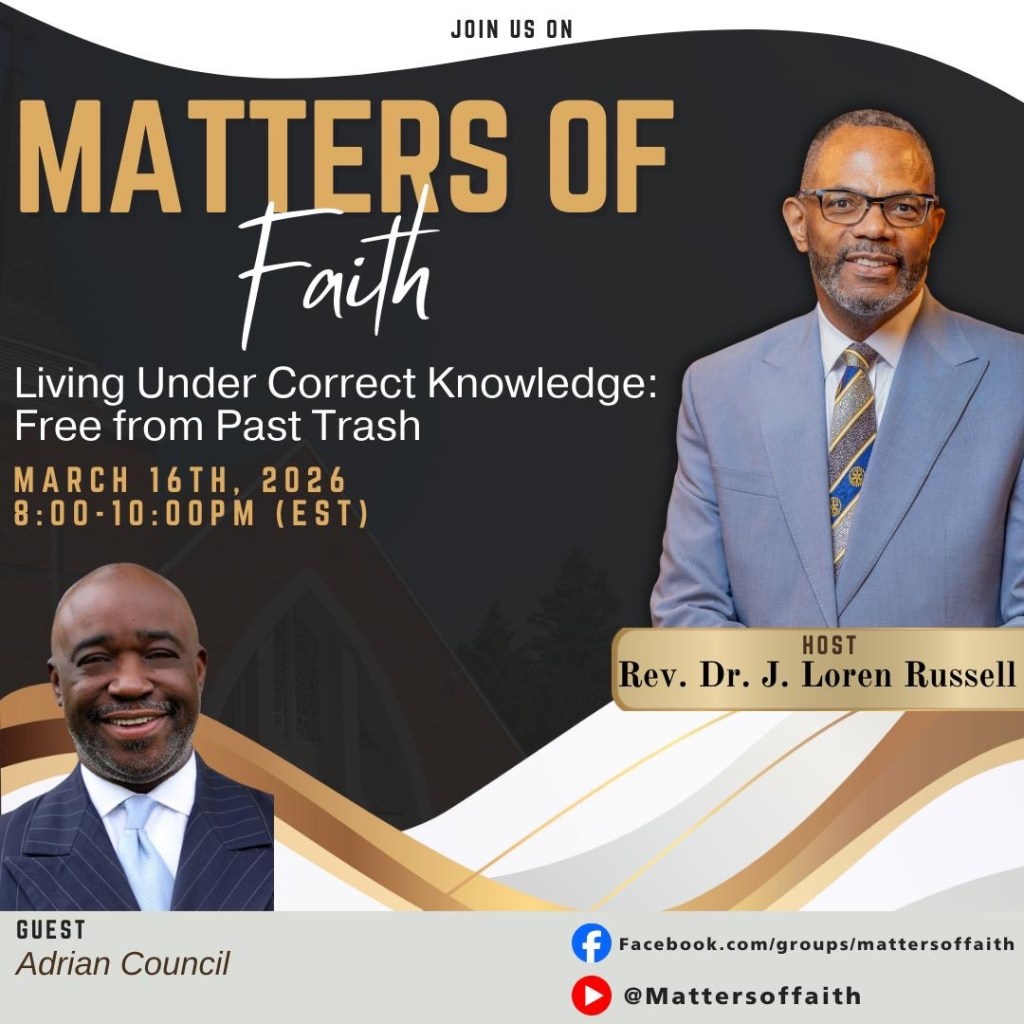
That’s L.U.C.K – Living Under Correct Knowledge!
Be Blessed!
-
Romans 5:1-2 NKJV
“Therefore, having been justified by faith, we have peace with God through our Lord Jesus Christ, 2 through whom also we have access by faith into this grace in which we stand, and rejoice in hope of the glory of God”.
Have you ever stopped and asked yourself what it means to be justified in God’s sight? If by nature we are all under the condemnation of sin just as our common ancestor Adam, will we ever be able to be vindicated or declared innocent from the guilt of our sinfulness?
The Romans text says “yes!”, it is possible to be justified, but it will not be because of the works that we do. It says we are justified by faith. Paul writes to the Galatian church, “knowing that a man is not justified by the works of the law but by faith in Jesus Christ…, that we might be justified by faith in Christ and not by the works of the law; for by the works of the law no flesh shall be justified” (Gal. 2:16)
In a previous devotional, I referenced John 5:24 to affirm a promise; “he who hears My word and believes in Him who sent Me has everlasting life”. But the eternal realm of glory, we refer to as heaven, is reserved for those who are without sin. Since all have sinned and fallen short of the glory of God (Romans 3:23), how can sinful people inhabit heaven?
To be justified in God’s sight means that you have been judged and declared not guilty of all charges. It means that although you are guilty of committing every sin you were accused of, because of our faith in Jesus, we receive forgiveness of sins and an inheritance among those who are sanctified by faith in Me [Jesus]” (Acts 26:18).
Our works have always been insufficient, always falling short. We have never been able to be reconciled with God through our works. It is through faith and faith alone that we are justified, treated just-as-if we never sinned. Justified means that “we have access by faith into this grace in which we stand, and rejoice in hope of the glory of God”(Romans 5:2). Always remember that justification in the eyes of our God is through our faith, not our works.
Be Blessed!
-
By Reverend J. Loren Russell
John 5:24 NKJV
“Most Assuredly, I say to you, he who hears My word and believes in Him who sent Me has everlasting life, and shall not come into judgement, but has passed from death to life.”
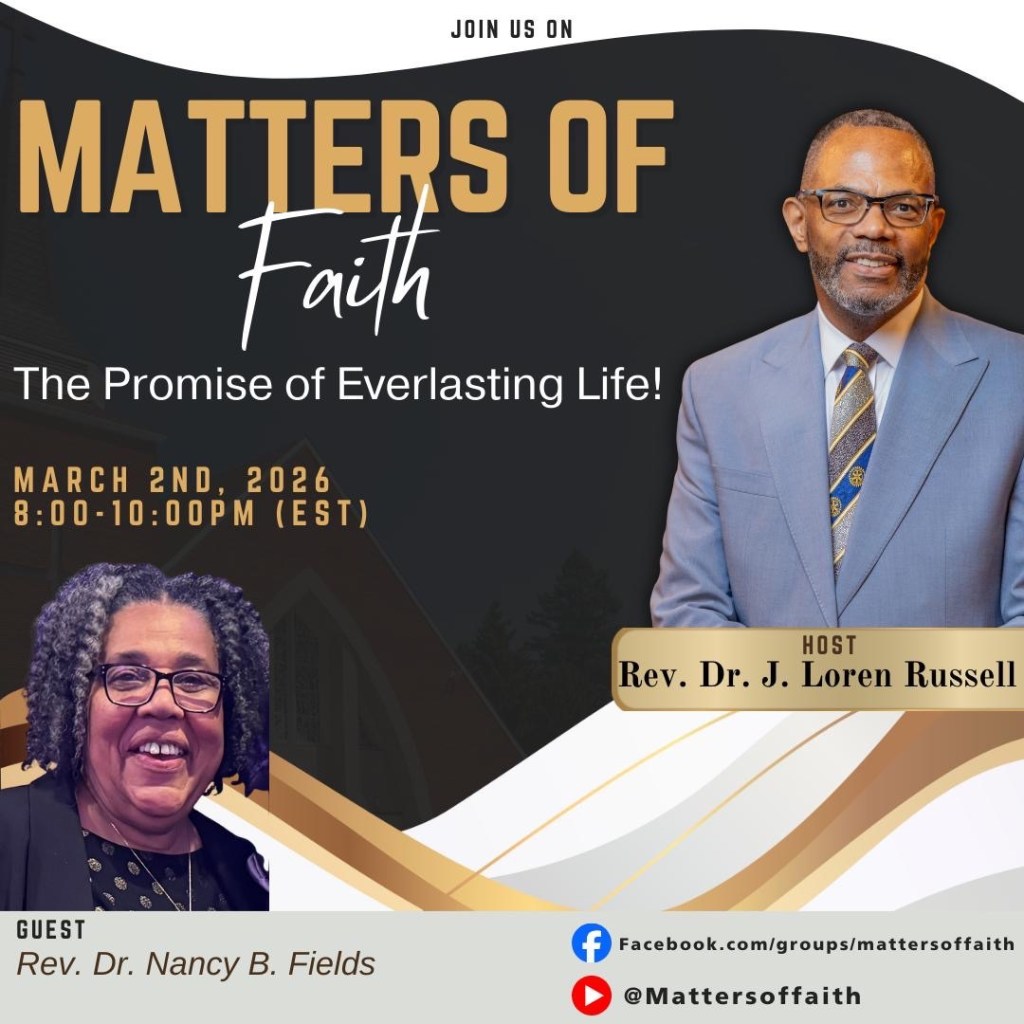
HarperCollins Publishers defines everlasting life as the “gift of God’s grace, offering a present and future, endless, high-quality existence in a restored, intimate relationship with God, beginning at salvation and continuing into eternity”. A very wordy way to say, you have everlasting life. I thank God that the two funeral services I officiated yesterday were for two people who were gifted with everlasting life long before they were laid to rest.
Everlasting life is not a gradual process, but an immediate transformation. In other words, you are not waiting to die in the flesh to obtain everlasting life in the spirit.
Verse 24 is not a verse trying to defend the existence of everlasting life. It states the fact that everlasting life is available to anyone who hears Jesus’ word and believes in Him who sent Him. It is given at conversion and is permanent. It is an immediate transformation from the certainty of spiritual death to the permanency of eternal and everlasting life.
As I stood with the family and friends of the departed, I did my best to convey to them that eternal life is not decided at the grave, but at the point of belief. The offer is for everyone, and everyone must decide for themselves whether to receive or reject the offer, including you.
Be Blessed!