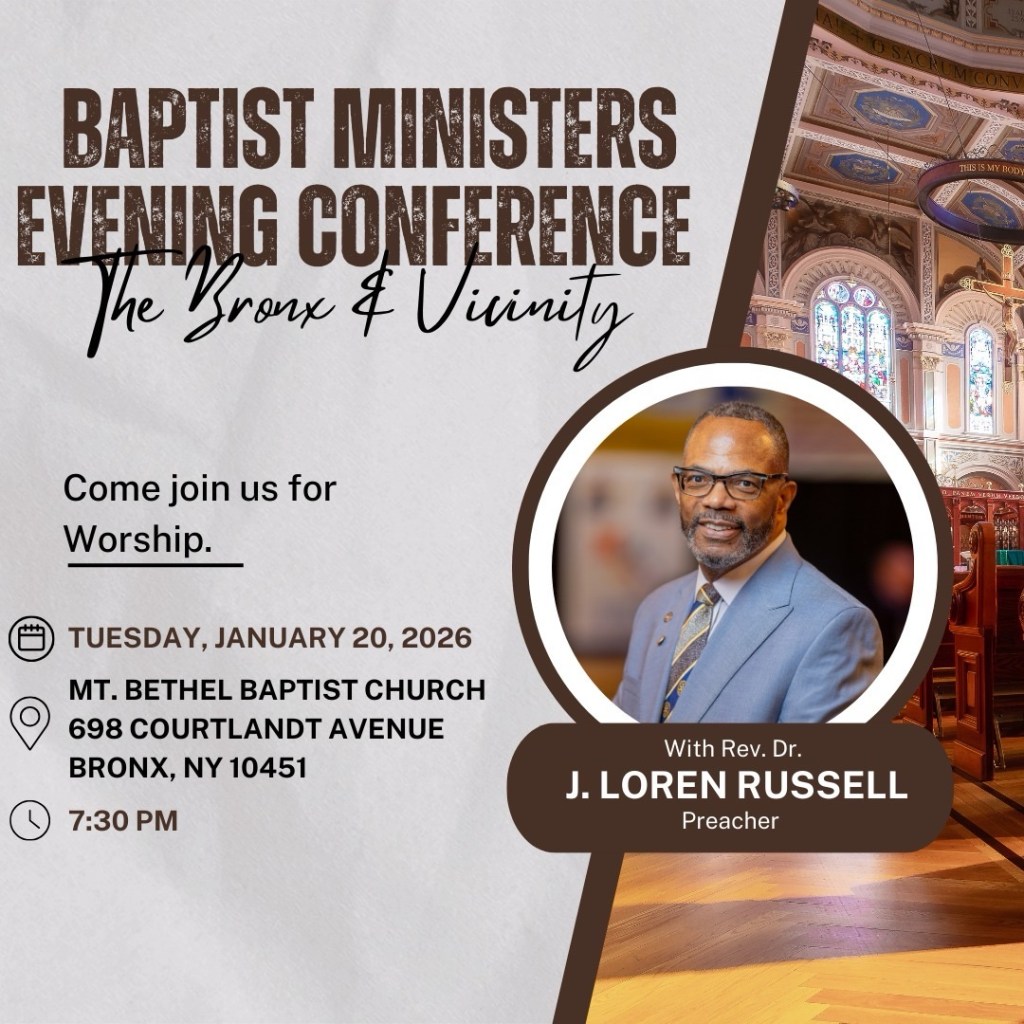
Matters of Faith
A practical application of the Word of God for everyday issues.
-
Rev. J. Loren Russell
Isaiah 54:1-4, 17 (NLV)
“Sing, O childless woman, you who have never given birth!
Break into loud and joyful song, O Jerusalem, you who have never been in labor.
For the desolate woman now has more children than the woman who lives with her husband,” says the Lord. “Enlarge your house; build an addition. Spread out your home, and spare no expense! For you will soon be bursting at the seams. Your descendants will occupy other nations and resettle the ruined cities.
“Fear not; you will no longer live in shame. Don’t be afraid; there is no more disgrace for you. You will no longer remember the shame of your youth and the sorrows of widowhood.”
“But in that coming day no weapon turned against you will succeed.
You will silence every voice raised up to accuse you. These benefits are enjoyed by the servants of the Lord; their vindication will come from me. I, the Lord, have spoken!”
When the book of Isaiah was written, somewhere between 700-690 BC when childless women were viewed as being punished by God or suffering the consequences of their sin. The comparison here is to the nation of Israel who became barren because of her sinfulness. But Isaiah tells them to sing songs of praise and redemption despite their barrenness. He says they should break into loud and joyful singing because the Lord was going to restore His covenant promise to them.
Isaiah tells them that they were going to be blessed abundantly and would expand to the right and the left. They were told to enlarge their homes and spare no expense in doing so. They would soon be “bursting at the seams” with children and descendants who will occupy other nations and resettle ruined cities. Not only would they be fruitful again, but Isaiah also tells them that no weapon formed against them would be successful, and“every tongue which rises against them in judgment, they would silence”.
Like the Israelites, there is a lot of spiritual barrenness in believers today. Some might argue that spiritual barrenness is more widespread now than it was in Isaiah’s time. There is a lot of profession of faith, but not a lot of practice, confession without conviction, faith spoken but not lived. But the God who gave grace, showed compassion, extended mercy and gave victory to the Israelites is the same God who wants to be gracious to His people today. He wants us to know that He has not abandoned us, and that we too must sing joy and redemption songs while in the throes of despair. Every foe will be defeated, every weapon destroyed, and every tongue that speaks against us will be silenced. The same assurance that was true for them is true for us.
You can walk into your future with boldness. Know that the God who took away the barrenness and strengthened Israel so that they gave birth to many children and were victorious in battle, is the same God who has redeemed, blessed and gave you victory in all your endeavors. “These benefits are enjoyed by the servants of the Lord; their vindication will come from me. I, the Lord, have spoken!” This is your heritage also. Stress Less, trust more…,
Live Blessed!
-
Reverend J. Loren Russell
Habakkuk 3:17-19 (NKJV)
“Though the fig tree may not blossom, Nor fruit be on the vines; Though the labor of the olive may fail, And the fields yield no food; Though the flock may be cut off from the fold, And there be no herd in the stalls— Yet I will rejoice in the Lord, I will joy in the God of my salvation. The Lord God is my strength; He will make my feet like deer’s feet, And He will make me walk on my high hills.”
There is a famous poem entitled “I Know Why The Caged Bird Sings”, penned by Paul Laurence Dunbar and inspired a book of the same name written by Maya Angelou that has become a literary classic.
Birds were not designed to be caged; they were designed to sing and to fly. But in man’s quest to harness nature, we create cages to hold birds for our pleasure. Yet, despite their restrictive and limiting environment, their resiliency allows the caged birds to defeat their frustrations, vent their misery, express their excitement for life, and create beauty through the gift of song the Lord has placed in their heart. Paul Laurence Dunbar heard the songs of joy from the caged bird and discovered, despite the turbulence of his era, that he too could sing and fly from the gift the Lord had given to him…, writing poetry.
Caged birds have only artificial restraints because their song and their flight are not dependent on their environment. Caged birds have the ability to sing and the audacity to fly because both were given to them by God, who did not say where to use them, only that they were gifts to be used. Just like caged birds, we have God-given ability to sing and the capability to fly.
The dawn of a new year challenges us to stress less and change our limitations into strengths by recognizing we were designed by God to sing and to soar. Every one of us has limitations and restrictions that challenge our God-given abilities. So, every new year, we are offered the chance to alter our perspective of our cages. We are given the opportunity to sing the song we have in our hearts, and to use the wings on our backs that we haven’t even noticed were there.
Whatever song the Lord has placed on your heart, it needs to be sung, no matter the cage you find yourself. Singing your song and using your wings frees you from the confines of the cage of social, financial, familial, or spiritual bondage that may have been imposed on you, as well as those manufactured by your own choices. Jerry Dunn said, “challenge your limits, don’t limit your challenges”. Stress less and be blessed in 2026!
Be Blessed!
-
Eternal God, our refuge and our strength,
We come to You standing at the threshold of a new year—
With gratitude for how far You’ve brought us
And humility for how much we still need You.
We thank You, Lord, for being our keeper
Through months we did not understand,
Through days when the fig tree did not blossom
And the fields yielded no fruit,
Yet You sustained us anyway.
You were our strength when we were weak,
Our song when we felt caged,
Our hope when stress tried to overwhelm us.
And for that, we say thank You.
As we step into this new year,
We ask You to transform our stress into strength,
Our fear into faith,
Our weariness into worship,
And our survival into testimony.
Give us feet like the deer—
Sure-footed when the ground is unstable,
Confident when the path is steep,
And courageous enough to walk the high places
You have prepared for us.
Lord, release us from every cage—
Cages of fear, regret, resentment, doubt, and despair.
Break the bars of yesterday’s failures
And silence the voices that say we cannot soar.
Put a new song in our mouths,
A song of praise, resilience, and victory.
Bless our homes, our families, and our communities.
Heal what has been broken.
Restore what has been lost.
Renew what has grown weary.
And guide us with Your wisdom in every decision we make.
For those entering this year with heavy hearts,
Be their comfort.
For those facing uncertainty,
Be their peace.
For those believing You for more,
Be their provider.
And most of all, Lord,
Help us to rejoice—not because everything is perfect,
But because You are present.
We declare that this new year will find us
Standing on solid ground,
Walking in faith,
Living with purpose,
And trusting You more than ever before.
We enter this year rejoicing in the God of our salvation—
For You are our strength,
And You will carry us
From Stress to Strength.
In the mighty, matchless, and marvelous name of Jesus we pray,
Amen.
-
Reverend J. Loren Russell
Matthew 20:11-16
And when they had received it, they complained against the landowner, saying, ‘These last men have worked only one hour, and you made them equal to us who have borne the burden and the heat of the day.’ But he answered one of them and said, ‘Friend, I am doing you no wrong. Did you not agree with me for a denarius? Take what is yours and go your way. I wish to give to this last man the same as to you. Is it not lawful for me to do what I wish with my own things? Or is your eye evil because I am good?’ So the last will be first, and the first last. For many are called, but few chosen.”
Dr. Benjamin Mays penned a poem entitled “I Have Only Just a Minute”. It’s a poem about the value and use of time. He wrote;
“I have only just a minute.
Only sixty seconds in it.
Forced upon me, can’t refuse it.
Didn’t seek it, didn’t choose it.
But it’s up to me to use it.
I must suffer if I lose it.
Give account if I abuse it,
Just a tiny little minute
But eternity is in it.”
In our text, we see a parable that Jesus shared with His disciples to address their misunderstanding about time served and the reward or payment for their service. The disciples were under the misguided impression that there is a greater reward based on
- their length of service to the Master,
- their commitment to serving the Master,
- their diligent efforts while working for the Master.
They were not much different than the followers of Christ today, who think they qualify for a greater reward because
- I am an usher….
- I am a deacon…
- I am a tither …
- I am a preacher …
- I have been in this church 40 years.
All these roles and commitments matter. They are valuable and necessary. Yet none of them, by themselves, entitle us to a greater reward.
Jesus teaches that the true motivation for service is not the payment at the end, but the privilege of serving itself. Kingdom work is about the process, not the payoff. If we labor in God’s vineyard merely for what we expect to receive, then Jesus says we already have our reward.
When the workers who were first hired came to receive their wages, they assumed they deserved more because they had worked longer than the others. Their expectation caused them to miss the heart of the lesson. God’s grace is not measured by hours logged but by hearts transformed.
This parable calls us to a deeper examination of our hearts. It challenges our assumptions about fairness, reward, and entitlement, exposing the subtle sins of envy, superiority, and jealousy that often distort our discipleship. Yet, it also offers hope. God’s mercy and generosity are not simply rewards at the end of our labor; they are revealed in the very process that reshapes us.
In the economy of God’s grace, the greatest reward is not what we receive for our work, but who we become as we submit ourselves to the transforming power of faithful service.
Be Blessed!
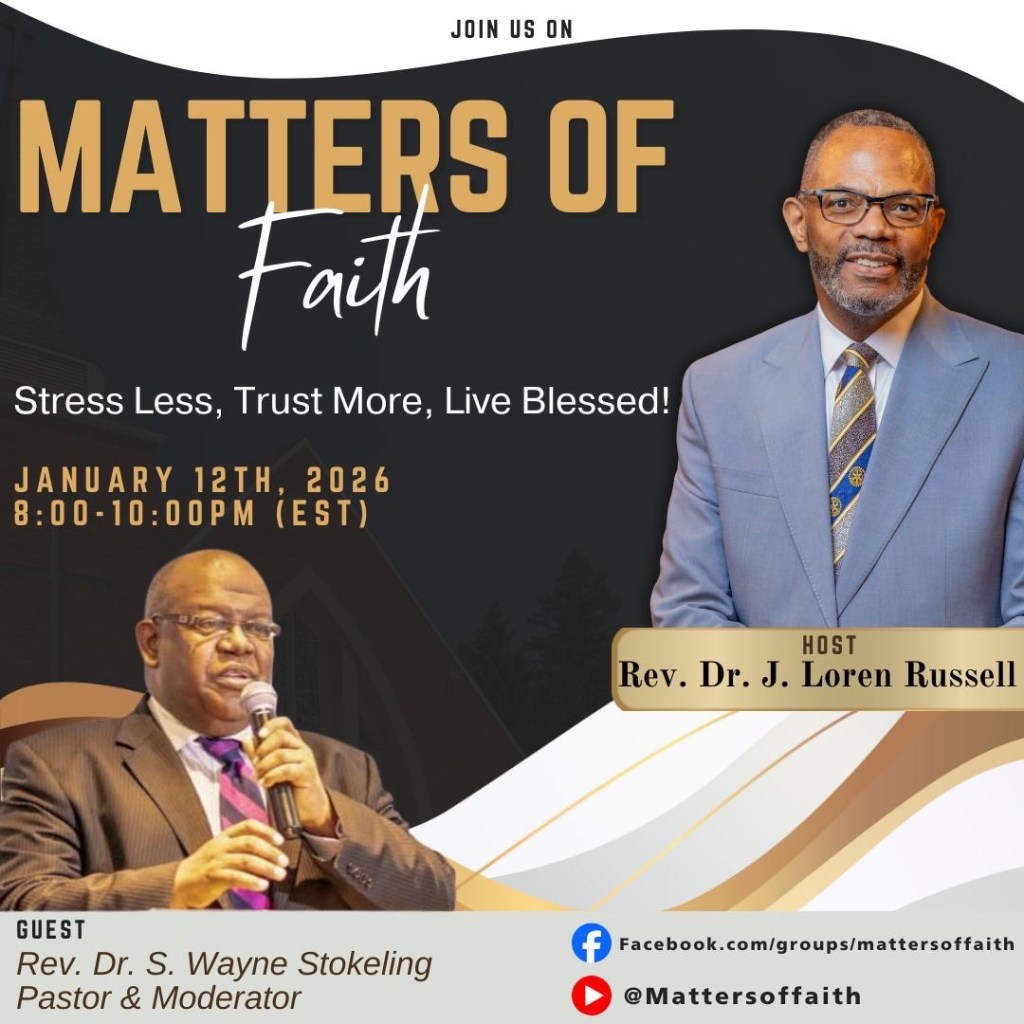
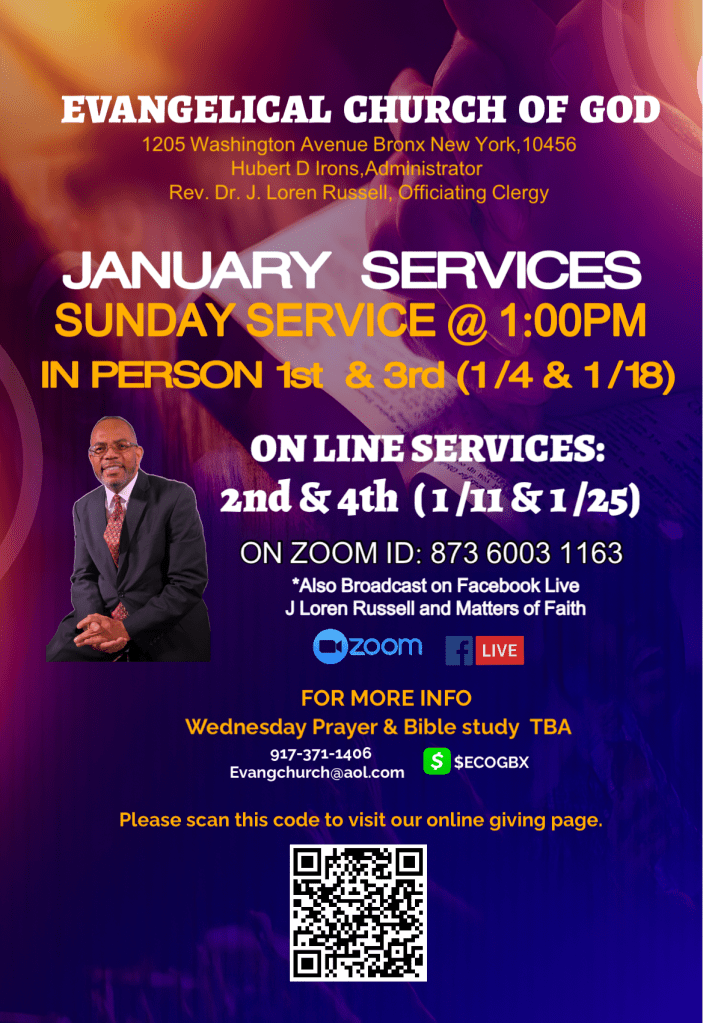

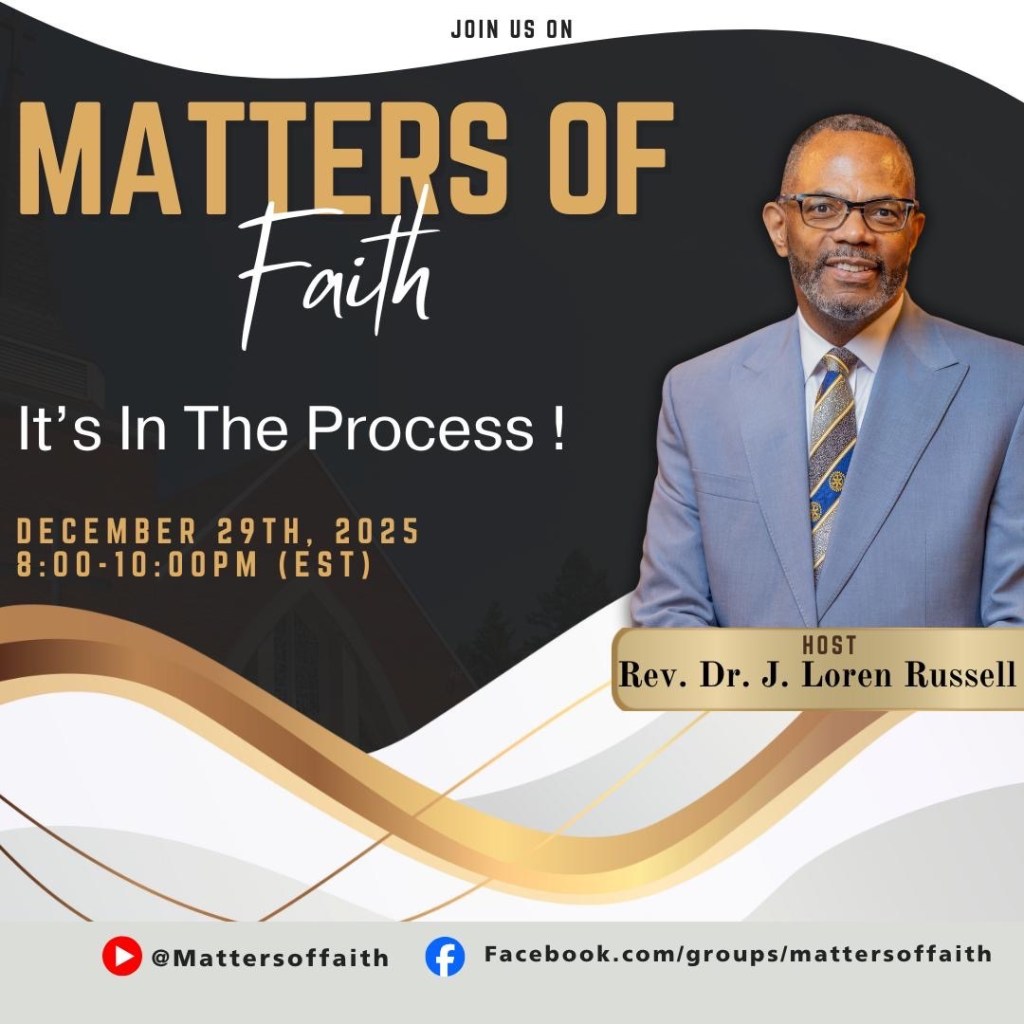
 Matters of Faith