https://www.facebook.com/share/v/1GzGLWabMY/?mibextid=wwXIfr
-
Reverend J. Loren Russell
John 1:1
“In the beginning was the Word, and the Word was with God, and the Word was God.”
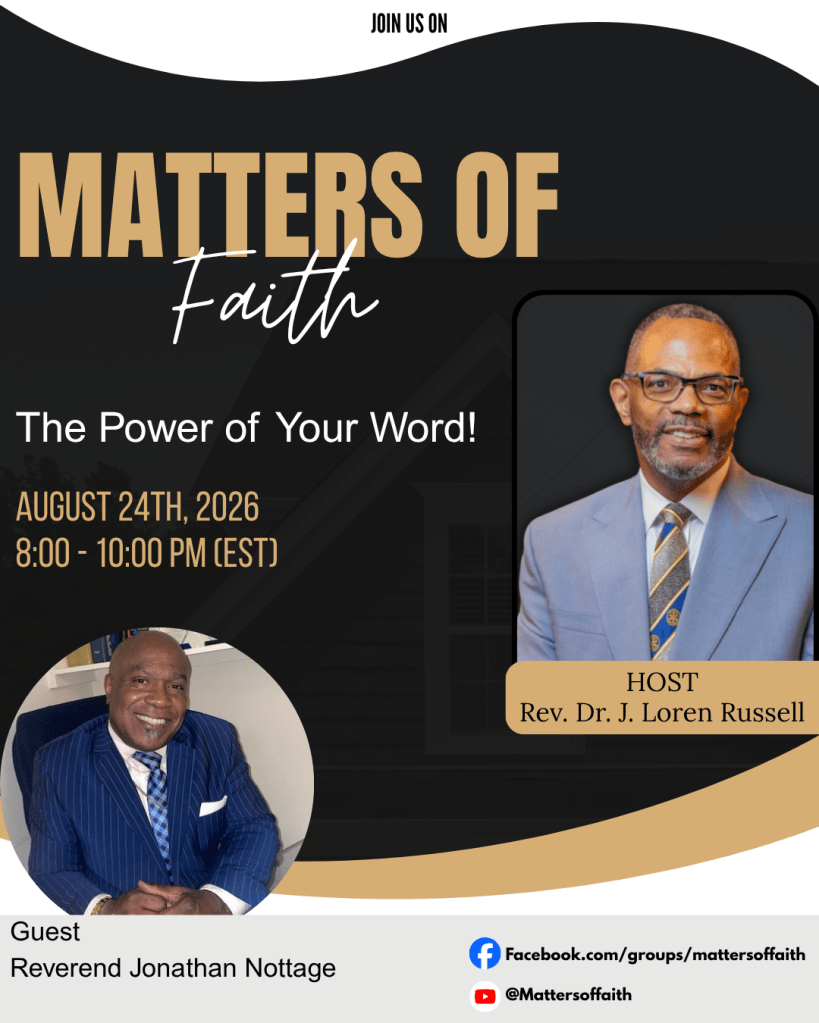
There is something powerful about a word. A word can encourage you or discourage you. A word can build you up or tear you down. A word can bring hope to someone who feels hopeless, or it can deepen the wounds of someone who is already hurting.
From the very beginning, God demonstrated the power of the spoken word. Genesis tells us repeatedly that “God said,” and when God spoke, things happened; light appeared; the heavens were formed; the earth brought forth life; and creation responded to the voice of its Creator.
But God did something even more miraculous with humanity. The Lord formed man from the dust of the ground, breathed into his nostrils the breath of life, and man became a living soul. His breath of life is what gave us the ability to speak.
With purpose and authority, Adam named everything created. That ought to make us stop and think about the words we speak every day.
The Bible says, “Death and life are in the power of the tongue.” Our words matter. What we say about ourselves matter. What we say about our children matter. What we say about our families, our communities, and even our circumstances matter.
God did not give us the power of speech so that we could destroy ourselves or others. He gave us this gift so that we could glorify Him and edify His people. Your words should become instruments of encouragement; instruments of healing; instruments of hope.
I encourage you to use God’s gift of speaking as your personal testimony to speak life, speak faith, speak hope, speak healing, speak encouragement, into the lives of people. Let the words of your mouth personify the power and strength of God’s Word!
Be Blessed!
-
Reverend J. Loren Russell
2 Corinthians 5:2-8
For we know that if our earthly house, this tent, is destroyed, we have a building from God, a house not made with hands, eternal in the heavens. 2 For in this we groan, earnestly desiring to be clothed with our habitation which is from heaven, 3 if indeed, having been clothed, we shall not be found naked. 4 For we who are in this tent groan, being burdened, not because we want to be unclothed, but further clothed, that mortality may be swallowed up by life. 5 Now He who has prepared us for this very thing is God, who also has given us the Spirit as a guarantee. 6 So we are always confident, knowing that while we are at home in the body we are absent from the Lord. 7 For we walk by faith, not by sight. 8 We are confident, yes, well pleased rather to be absent from the body and to be present with the Lord.
We are surrounded by beautiful and amazing architecture. The creativity of the architecture is astounding and most certainly, long lasting. There are structures that have amazed us for centuries with their intricate and lavish design. Sadly, some have been lost by the ravishes of time or the destructive nature of mankind. Yet we still have reminders of their splendor, captured in the writings, paintings, and artistry of our ancestors.
Despite the opulence and grandeur of the creations of man, nothing compares to the magnificence of God’s creation, particularly the one He formed from the dirt of the earth and declared to be created in His own image. We are the crown jewel of creation that is compared to nothing.
At the beginning of this decade, we experienced what no one could predict and suffered what no one should have had to endure. We experienced COVID-19. The total number of people, no matter their standings in God’s sight, no matter how otherwise healthy, transitioned from time to eternity in the blink of an eye. God’s magnificent creation was dying like ancient structures, only this time, it was happening in a tidal wave of disease.
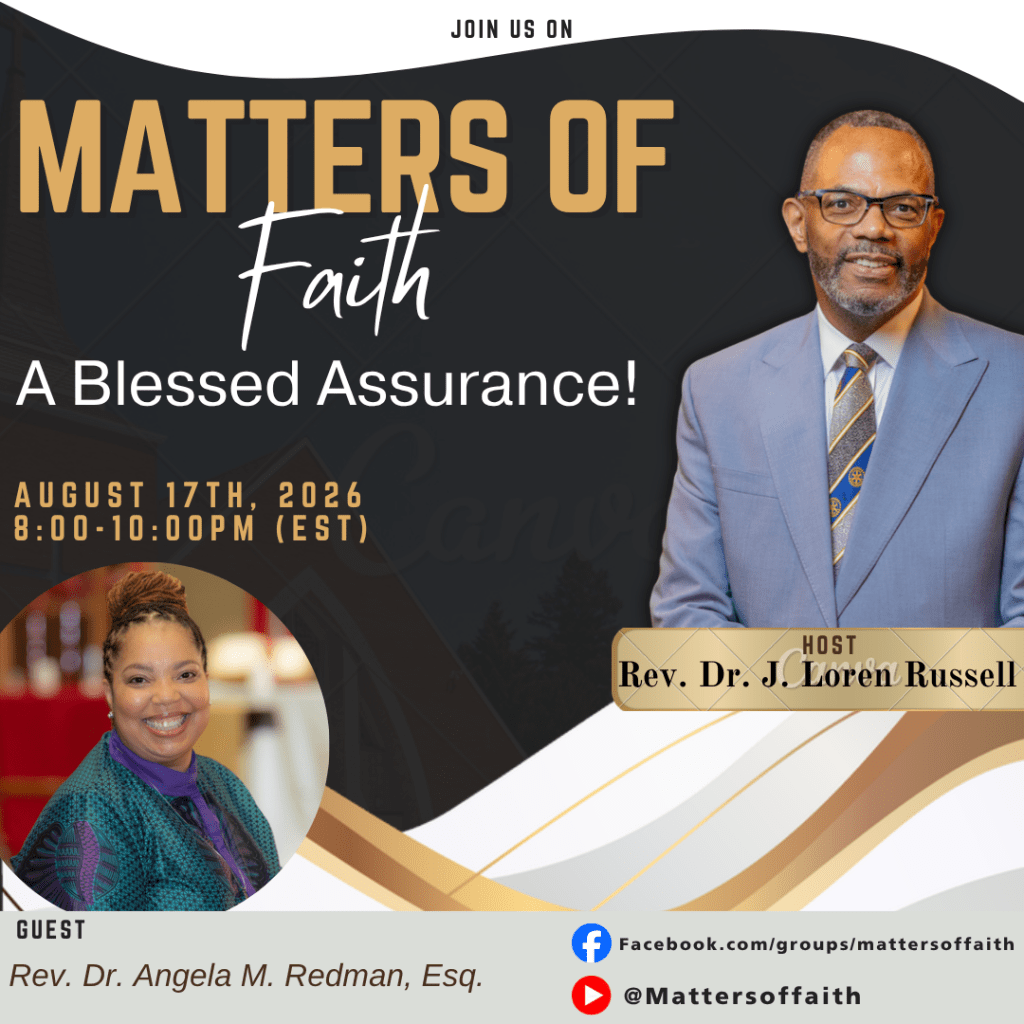
It was devastating to us, but not surprising to our God. The Apostle Paul reminds us that these earthly bodies are temporary. He describes them as an “earthly house” and a “tent.” Tents are not meant to be a place of permanent dwelling. He says that while we inhabit these bodies, our soul longs for the heavenly body not made by hands that are eternal in the heavens. And here is where our hope becomes our assurance. Paul says, “Now He who has prepared us for this very thing is God, who also has given us the Spirit as a guarantee.” The presence of the Holy Spirit within us is God’s guarantee and blessed assurance that this earthly existence is not the end of the story. We may be living in the land of the dying, but we are dying to get to the land of the living.
I know it doesn’t seem like it, but for those who died during that terrible pandemic, and for those of us who are still alive and have the Holy Spirit dwelling within us, we can have the blessed assurance that we are “pleased rather to be absent from the body and to be present with the Lord.” That is our hope. That is our confidence. That is our blessed assurance.
Be Blessed!
-
To purchase Matters of Faith: The Book – ebook version now on sale – 50% OFF
Go to http://www.smashwords.com/books/view/993177 and enter code: 2WYXX
-
Reverend J. Loren Russell
Habakkuk 2:2–4 (NKJV)
“Then the Lord answered me and said:‘ Write the vision and make it plain on tablets, that he may run who reads it. For the vision is yet for an appointed time; but at the end it will speak, and it will not lie.
Though it tarries, wait for it; because it will surely come, it will not tarry. Behold the proud, his soul is not upright in him; but the just shall live by his faith.’”The saying, “Without a plan, failure is highly probable and disaster is a possibility,” deserves to be heard more often. Too many times, we begin with good intentions but without enough planning to support them. When our energy has no direction, we can work hard and still have very little to show for it.
Often, the issue is not a lack of faith; it is that our faith needs direction. We may have desire, energy, enthusiasm, and vision—but without a plan, those gifts remain scattered.
Writing the vision makes it plain. It takes what God has placed in the heart and gives it shape, direction, and purpose. It takes us from dream to vision.
A dream can remain in your head, but a vision demands movement. A vision says, “I see something that is not here yet, but I believe God can bring it into existence.” When God gives a vision, He does not expect us to simply admire it; He expects us to act on it.
We can have all the energy of an alkaline battery, but if there is no plan to plug into, that energy has nowhere to go. Direction is what turns effort into progress.
You can be busy without being productive. You can be moving without making progress. You can be active without being effective.
That is why the Lord tells Habakkuk, “Write the vision and make it plain.” In other words, get it out of your head and put it where you can see it. Make it clear enough to follow and strong enough to run with.
Write it down, make it clear, give it direction, and give it purpose, then start running.
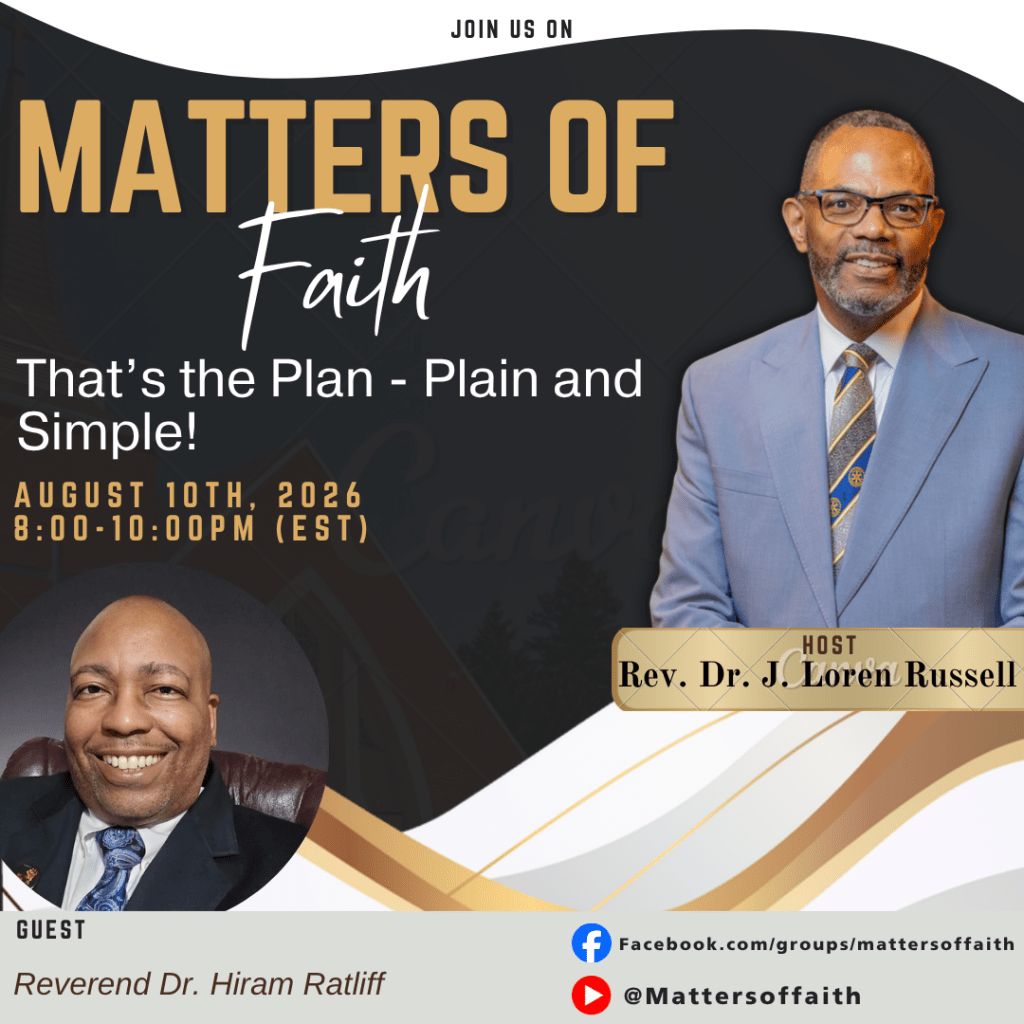
That’s the plan, plain and simple!
Be Blessed!
 Matters of Faith